Routine Inspections That Help Prevent Mold, Water Damage, and Costly Repairs in Older Homes
Older homes have a way of earning affection. They also have a way of hiding problems until a stain appears on the ceiling, a musty smell settles into a back bedroom, or a small plumbing drip turns into damaged flooring and a swollen wall cavity. In places like Groveland and the rest of Lake County, that risk climbs because heat, humidity, heavy rain, and hurricane season all put extra stress on roofs, windows, HVAC systems, and anything else that controls moisture.
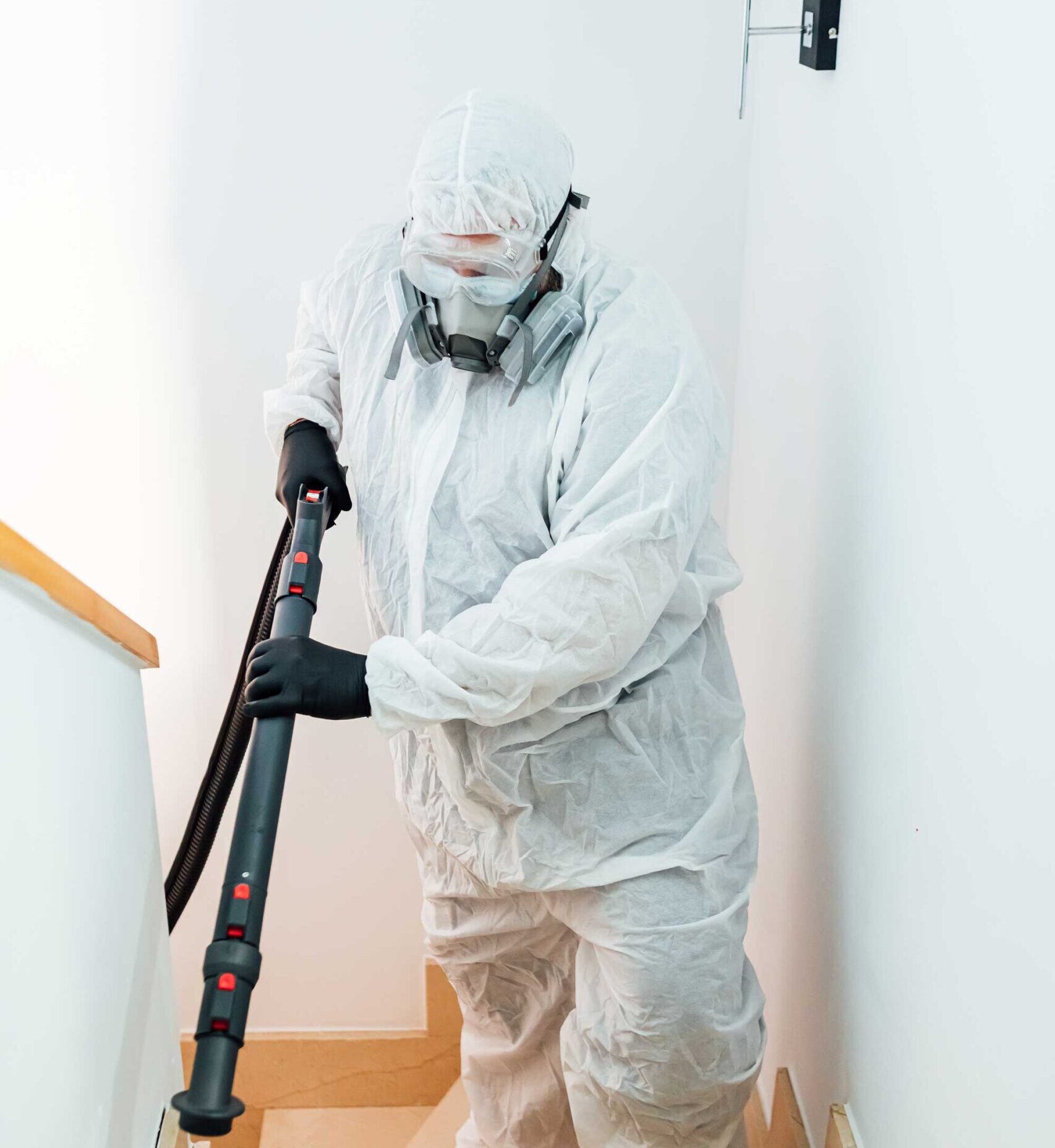
That is why routine inspections matter so much. They are not glamorous, and they do not usually produce before and after photos anyone wants to post. What they do is catch the ordinary failures that lead to expensive cleanup. A loose shingle. A clogged drain pan. A bathroom fan that vents poorly. A minor plumbing leak under a sink that nobody opens often enough to notice.
In older homes, the goal is not perfection. It is attention. You are looking for signs that water is getting where it should not, that humidity is staying too high for too long, or that repairs and remodeling might disturb materials that need special handling. A thoughtful inspection routine can help prevent mold growth, reduce the chance of structural damage, and make it less likely that a manageable repair turns into a call for emergency restoration services.
Why older homes need a different kind of watchfulness
Newer homes can fail too, of course, but older homes often come with more variables. Materials have aged. Past repairs may have been done well, or not well at all. Ventilation may not match how the house is used today. An air conditioner may still cool the house enough to keep people comfortable while quietly struggling to control indoor humidity.
That last point matters in Florida. State health guidance is clear that mold grows when moisture is present, and common sources include roof leaks, plumbing leaks, condensation, flooding, poor ventilation in bathrooms or kitchens, and HVAC or drain pan problems. If a central AC system is being used to keep humidity below 60 percent, and it is not doing that reliably, the system should be examined for problems. In practical terms, that means a home can feel cool and still have conditions that support mold.
In older homes, inspections work best when they are repetitive and seasonal, not one-time events. You are not trying to perform a formal forensic investigation every month. You are training yourself to notice change. A warped baseboard that was straight last season. A closet smell that was not there before. Fresh paint bubbling over an exterior wall. These details often appear well before major visible damage.
The rooms that deserve your first attention
When homeowners ask where to start, I usually point them toward the wettest, darkest, least-visited parts of the house. That is where small moisture problems can stay hidden the longest.
Bathrooms are obvious candidates, but they still get ignored. Look for recurring condensation, peeling paint, soft caulk joints, and fans that run loudly but do not clear humidity very well. Kitchens deserve the same kind of attention, especially around sink cabinets, refrigerator water lines, dishwasher connections, and the area https://airwatch546.laurelcurrent.com/posts/choosing-a-remediation-company-for-hvac-mold-fire-damage-or-biohazard-cleanup behind the range if there is any venting issue contributing to moisture.
Then come the quiet zones: attics, crawl areas if the house has them, utility closets, and the spaces around the air handler. Many homeowners will inspect a dramatic roof leak in the middle of a storm, but far fewer will check the area around an HVAC drain pan when the weather is dry. That is often where trouble starts. HVAC mold remediation becomes much more complicated once moisture and organic dust have had time to sit in a poorly draining system.
Closets on exterior walls can also tell an important story. If a closet smells musty, especially after rainy stretches, that may be a clue that condensation, a small roof leak, or an exterior water intrusion path is active. Florida health guidance notes that visible mold or recurring mold usually means the moisture source has not really been fixed. Wiping the surface or repainting over the stain does not solve the cause.
Roofs, gutters, and wall penetrations, the slow leak trio
A surprising number of interior water problems begin outside. Roof coverings age, flashing loosens, sealants crack, and wind-driven rain finds openings around vents, pipes, and chimneys. During hurricane season, the house may take repeated weather hits that never produce obvious catastrophic damage but still create entry points for water.
A practical inspection of the exterior is less about heroics and more about consistency. After heavy rain, walk the perimeter. Look for damp spots where they should not be, areas of soil erosion that direct water toward the foundation, and stains under eaves or around windows. Inside, check ceilings near exterior walls and around vent penetrations. Water often travels before it shows itself, so the visible stain is not always directly below the entry point.
Older window assemblies also deserve respect. A small failure in caulk or flashing can let water into a wall cavity for a long time before anyone notices. By the time trim swells or paint blisters, the hidden materials behind the wall may already be affected. In humid regions, that can create the conditions for mold removal in Groveland or nearby areas to become necessary, especially if the moisture has been feeding growth for weeks or months.
Plumbing leaks are usually quieter than roof leaks, and just as damaging
Roof leaks get blamed for plenty of damage that really started with a supply line, drain connection, or fixture seal. The reason is simple. Plumbing leaks can be tiny and persistent. They often happen in cabinets, behind access panels, under tubs, or around older shutoff valves where nobody is looking often enough.
An old house can have updated fixtures connected to aging supply lines, or newer plumbing repairs tied into original sections. That mix is not automatically a problem, but it is one more reason regular inspection matters. Open sink cabinets. Feel for dampness. Notice any staining on the cabinet floor. Check around toilet bases for movement, odor, or discoloration. Look at ceilings below upstairs bathrooms. Even a faint ring can be an early warning.
The expensive part of a hidden plumbing leak is rarely the water itself. It is the delay. If moisture reaches flooring, trim, drywall, insulation, or adjacent rooms, the cleanup spreads. What could have been a straightforward repair starts moving toward water damage cleanup in Central Florida, with drying, material removal, and odor concerns added to the original plumbing bill.
HVAC systems, where comfort and moisture control meet
In Florida homes, air conditioning is not just about temperature. It is a moisture-control system too. When it is working properly, it helps keep indoor humidity in a safer range. When it is not, the house may still feel cool enough while hidden moisture builds in ducts, around air handlers, or on surfaces that stay slightly damp.
This is why AC inspections belong in any prevention plan for an older home. Check around the indoor unit for signs of overflow, rust, or dampness. Pay attention to any musty smell when the system starts up. Watch for recurring condensation near vents or unusual staining around registers. Florida health guidance specifically calls out HVAC and drain pan problems as common mold-related moisture sources, and it advises that systems used to lower humidity below 60 percent should be examined if there are signs they are not doing that effectively.
HVAC mold remediation is not something homeowners should take lightly. If there is suspected growth associated with the system, the first question is not just how to remove it, but why the moisture is there. A system that cools without properly managing condensate or humidity can keep creating the same problem. In practice, the cure is rarely just cleaning. It is identifying the moisture issue and correcting it.
A simple inspection rhythm that works in real life
The best routine is the one you will actually keep. I have seen homeowners buy moisture meters, make elaborate spreadsheets, and then stop checking after two months. A more useful approach is to tie inspections to familiar moments, the start of summer rains, the peak of hurricane season, the first cool stretch when windows stay closed more often, and any time there has been a storm, plumbing repair, or AC issue.
A good working rhythm might look like this:
- Walk the interior once a month and look for stains, bubbling paint, musty odor, and soft spots near bathrooms, kitchens, and exterior walls.
- Check the HVAC area regularly for drain pan issues, dampness, and any odor that appears when the system runs.
- Inspect the roofline, gutters, windows, and exterior penetrations after heavy rain or wind events.
- Open under-sink cabinets and utility access points every few weeks, especially in less-used bathrooms or guest areas.
- Recheck any area where mold has appeared before, because recurring mold usually points to moisture that was never fully fixed.
That list is intentionally modest. It catches more problems than people expect because most costly damage begins with something small and repetitive.
When a stain or odor shows up, resist the urge to guess
One of the most expensive habits in home maintenance is deciding too quickly that you already know what caused a problem. A ceiling stain appears after rain, so it must be the roof. A bedroom smells musty, so it must be old carpet. Sometimes those guesses are right. Often, they are only partly right.
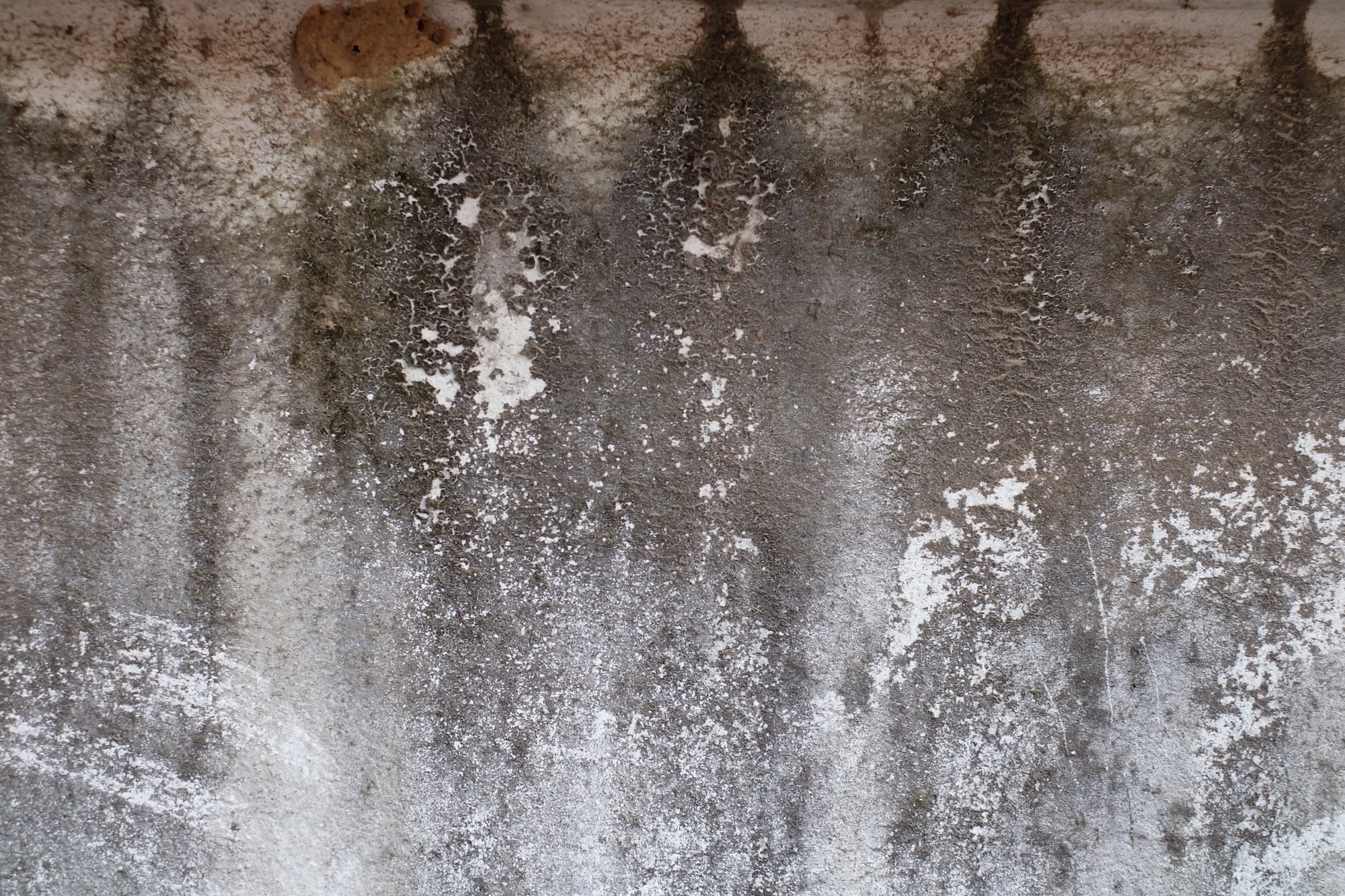
Odor is especially tricky. A musty smell can point to mold, but it can also reflect lingering moisture in porous materials. A sour or foul odor may suggest contamination from a drainage issue or something more serious. In the aftermath of flooding or backups, sewage cleanup requires a very different response from ordinary water intrusion because of the health risks involved. Public health guidance is clear that sewage backups are hazardous and affected areas should be isolated during cleanup with proper precautions.
The same caution applies after storms. Flooded homes can contain mold, sewage, and other contamination. Reentry should begin with safety, utilities, and contamination risks, not with salvaging furniture first. People also need to be careful with generators because of fire and carbon monoxide hazards. Those first decisions after a storm shape how difficult the cleanup becomes later.
Storm season changes the math for older homes
In Central Florida, an older home can go from stable to vulnerable quickly during hurricane season. A house that handled ordinary summer rain may not perform the same way under wind-driven water, power loss, and prolonged humidity. That is why pre-storm inspections are just as important as post-storm ones.
Before a major weather event, check the areas most likely to fail under pressure. Windows and doors should close tightly. Roof issues should not be put off. Outdoor drainage should direct water away from the structure as much as possible. Once the storm passes, the first walkthrough should focus on obvious damage, active leaks, standing water, and anything that affects safety.
If the house has taken on water, document what you see and coordinate with your insurer as early as practical. Recovery guidance consistently stresses documentation and communication with the insurance company during cleanup and repairs after flood, storm, smoke, or fire events. That matters because moisture conditions change quickly in Florida. The longer wet materials sit, the more likely you are to deal with mold, odor removal, and more extensive reconstruction.
For some homes, hurricane damage restoration in Florida is not just about shingles and drywall. It can also involve hidden moisture in wall cavities, contamination from stormwater, and decisions about what can be dried versus what needs to be removed.
Fire, smoke, and the inspections people forget afterward
Water and mold get most of the routine maintenance attention, but older homes can also carry risks after a fire event, even when the visible damage seems limited. A small kitchen fire, an electrical issue in a utility room, or smoke traveling through the HVAC system can leave behind problems that are easy to underestimate.
The first 24 hours after a home fire are especially important for safety checks, salvage decisions, and starting the insurance and recovery process. Fire and smoke damage cleanup is not just about soot on visible surfaces. Odor can settle into porous materials, and the path smoke traveled through the home often tells you where deeper cleaning may be needed. If water was used to extinguish the fire, you may also be dealing with a secondary moisture problem that requires the same level of urgency as any other water intrusion.
In older houses, where materials may already be dry, porous, or layered from previous repairs, smoke and moisture can behave unpredictably. A careful inspection after the event can prevent partial cleanup from turning into lingering odor or hidden deterioration.
Remodeling an older home can uncover a different category of risk
Routine inspections do not always lead to cleanup. Sometimes they lead to a renovation decision. A recurring wall stain may push a homeowner to replace old windows. Chronic bathroom moisture may mean opening walls and upgrading ventilation. In older homes, that is the point where another kind of judgment becomes important.
Homes built before 1978 may contain lead-based paint, and renovation, repair, or painting can disturb hazardous materials. Older materials may also include asbestos in some locations, which becomes especially relevant during demolition or remodeling. That does not mean every older home has the same hazard profile, or that every project requires the same response. It means assumptions are risky.
When there is any reason to suspect hazardous materials during planned work, owners should slow down and get the right evaluation before disturbing anything. In this area, people may search for Groveland FL asbestos testing or asbestos abatement Lake County when they are preparing for repairs in an older property. That is a smart instinct. Major renovation or demolition involving asbestos-containing materials has to be handled under applicable rules, and this is not the place for guesswork or casual DIY decisions.
The same principle applies to mold work. In Florida, mold assessor and mold remediator licensure is handled by the Department of Business and Professional Regulation. If the problem has moved beyond a small, obvious housekeeping issue and into recurring or widespread moisture-related damage, it is worth confirming that the professionals involved are operating in the right lane.
Knowing when to call for help
A good inspection routine can catch trouble early, but it cannot replace skilled remediation when contamination, hidden moisture, or major damage is involved. The turning point is usually one of three things: the source is unclear, the affected area is growing, or health and safety concerns are entering the picture.
Here are situations where calling a professional usually makes sense sooner rather than later:
- Recurring visible mold, because repeated growth usually means the underlying moisture source has not been fixed.
- Flooding, stormwater intrusion, or sewage backup, because contamination and safety risks change the cleanup process.
- HVAC-related odor or suspected system contamination, because moisture control and air distribution are tied together.
- Fire or smoke damage, especially if soot, odor, or extinguishing water has spread beyond one small area.
- Planned demolition in an older home where lead-based paint or asbestos may be disturbed.
In Lake County, a homeowner may look for a remediation company Lake County residents trust for these problems, particularly when the issue crosses from minor maintenance into restoration. That can include mold removal in Groveland, water damage cleanup in Central Florida, odor removal after a leak or smoke event, or broader emergency restoration services after severe weather.
What routine inspections really buy you
They buy time. That is their biggest value.
They give you the chance to fix a leak before materials stay wet long enough to support mold. They let you correct an HVAC drainage issue before it affects air quality and nearby building materials. They help you spot a storm-related weakness before the next storm pushes it farther. And when damage does happen, they make it easier to respond fast, document conditions clearly, and explain what changed and when.
Older homes do not ask for perfection. They ask for attention, patience, and honest observation. Walk the house. Open the cabinet. Smell the closet. Look at the ceiling after rain. Check the AC area even when everything seems fine. Small habits like these are what keep small problems small.
That is how you protect an older home in a humid climate. Not with panic, and not with constant renovation, but with routine inspections that catch moisture early, respect the realities of age and weather, and keep you ahead of the kind of damage that gets expensive fast.