Property Manager Guide to Water Damage in Groveland Commercial Buildings: Planning Repairs and Keeping Occupants Informed
Water damage in a commercial building rarely arrives at a convenient time. In Groveland and across Lake County, it tends to show up during a week already packed with tenant requests, vendor calls, lease questions, and weather watching. A roof leak after an afternoon storm, moisture creeping in around aging windows, a backed-up drain in a break room, or wind-driven rain during hurricane season can shift a normal workday into a building-wide disruption.
For a property manager, the job is bigger than drying wet carpet or replacing ceiling tile. You have to protect the building, keep people informed, document what happened, coordinate the right trades, and make decisions that reduce the chance of a second round of damage. In Central Florida, that last part matters more than many owners realize. Heat and humidity give small moisture problems a chance to turn into indoor air quality complaints, visible mold growth, and longer repair schedules.
The phrase property manager water damage sounds simple, but in practice it covers a chain of decisions. Which areas are safe to occupy? What needs immediate mitigation? What can wait for repair pricing? Does the work affect business operations or customer access? Are occupants worried about odors or air quality? If the building is older, are there extra compliance issues before walls, flooring, or ceiling systems are disturbed?
The best outcomes usually come from a calm process, not a dramatic response. Fast action matters, but so does judgment.
The first few hours set the tone for the whole project
When water enters a commercial space, the first priority is safety and stabilization. That can mean shutting off the source if it is internal, restricting access to slippery or compromised areas, and checking whether water reached electrical components, elevator lobbies, server rooms, stock rooms, or shared corridors. Even a relatively small event can affect several tenants if the water travels above a suspended ceiling or under flooring.
This is where a practical water damage checklist earns its keep. Not a generic one pulled from a random template, but a version built for your property and your tenant mix. A medical office has different sensitivities than a retail strip center. A professional office suite with paper records and electronics presents different problems than a warehouse bay.
A short, usable checklist should help you answer a few immediate questions:
- Where did the water come from, and is it fully stopped?
- Which occupied spaces, common areas, and building systems were affected?
- What materials are wet, and how long have they likely been wet?
- Who needs to be notified right away, including ownership, vendors, and occupants?
- What documentation, photos, and access notes need to be captured before work begins?
That kind of checklist keeps a team from skipping basics while everyone is rushing. It also helps later when timelines blur and insurance or ownership wants a clean account of what happened.
In Groveland and surrounding communities, speed is especially important because moisture does not sit quietly for long. With warm outdoor air and summer humidity, wet drywall, insulation, and carpet padding can become a much bigger issue if left in place. The Florida Department of Health puts the focus where it belongs: find and address moisture or water damage first. That lines up with what experienced restoration crews see every week. If you remove the moisture source and dry the building properly, many downstream problems become far easier to manage.
What mitigation means, and what remediation means
One of the most common points of confusion during a loss is mitigation vs remediation. Owners, occupants, and even some vendors use the terms interchangeably, but they are not the same thing.
Mitigation is the immediate response designed to prevent further damage. Think extraction, containment, temporary protection, removing unsalvageable wet materials where needed, and setting up drying equipment such as dehumidification and air scrubbers when conditions call for them. The purpose is to stabilize the building and limit escalation.
Remediation is the work required to resolve contamination or damage conditions that remain after the emergency is stabilized. In water losses, that often means commercial mold remediation if mold has developed, plus cleaning, repairs, and reconstruction tied to the affected assemblies. In some losses, remediation can also include odor treatment, content cleaning, and more targeted environmental controls.
That distinction matters because it changes both the schedule and the communication plan. Occupants can usually understand temporary equipment noise and restricted access if they know it is part of mitigation. They become more anxious when they do not know whether the space is being dried for two days or rebuilt for three weeks.
I have seen projects go sideways not because the damage was catastrophic, but because nobody clearly explained what phase the building was in. A tenant hears fans and sees plastic containment, assumes the entire suite is contaminated, and starts telling customers the building is unsafe. That rumor travels faster than any official email. Clear language early on saves headaches later.
Drying is not just about fans in the hallway
Many people still picture water restoration as a few loud air movers pointed at damp carpet. Commercial drying is more deliberate than that, especially in Florida. Restorers often rely on dehumidification and air scrubbers for different reasons, and property managers benefit from understanding the difference.
Dehumidification is about pulling excess moisture from the air so wet materials can release trapped moisture more effectively. Without that step, drying slows down and the building can hold onto moisture longer than it appears to on the surface. Air scrubbers serve a different role. They are used to help manage airborne particulates and can support cleaner work zones, particularly when materials are being removed or when odor and air quality concerns are part of the picture.
That does not mean every small leak needs a room full of equipment. Groveland environmental services Good contractors adjust the response to the actual loss. Overbuilding a drying plan wastes money and aggravates occupants. Underreacting creates a second problem a week later. Experienced crews make that call based on what got wet, how long it was wet, the building layout, and the ambient conditions.
For property managers, the practical takeaway is simple. Ask what each piece of equipment is doing, how long it is expected to remain, and what areas need to stay closed while drying continues. When you understand the purpose, you can explain it more confidently to occupants who are trying to work around the disruption.
Occupants do better when they hear from you before they have to ask
People can tolerate inconvenience better than uncertainty. In a commercial building, that means your communication plan matters almost as much as the physical response. Occupants want to know whether they can safely enter the space, whether the HVAC is operating normally, whether there are odors to expect, and whether the repairs will interfere with business hours.
The most effective updates are brief, specific, and repeated as conditions change. Avoid dramatic language. Avoid vague reassurances too. If a corridor is closed until tomorrow afternoon, say that. If one suite has visible damage but adjoining spaces are open, say that. If drying equipment will run overnight, tell them before they hear it through the wall at 7:00 p.m.
A useful rhythm for updates usually includes these points:
- what happened and which areas are affected
- what is happening now, such as extraction, drying, or material removal
- what occupants should expect over the next 24 to 48 hours
- who to contact with access or scheduling questions
- when the next update will be sent
That last point is underrated. When people know another update is coming, they are less likely to fill the silence with assumptions.
This is also the moment to be careful with health language. If there is visible mold, say there is visible mold and that the affected area is being addressed. If there is no confirmed issue in an adjacent suite, do not imply one. Florida health guidance is helpful here because it steers attention to moisture and visible damage rather than pushing mold sampling as the first move in every situation. Many mold myths start when a building team jumps straight to testing talk without first fixing the water intrusion.
A few mold myths that complicate water losses
Commercial occupants often arrive with half-remembered stories about mold. Some are convinced every water event means a building-wide contamination emergency. Others think mold is only a concern if they can smell something strong. Neither view is reliable.
One common myth is that if surfaces look dry, the problem is over. In reality, hidden moisture can remain in wall cavities, under flooring, or above ceiling systems. Another myth is that a quick bleach wipe solves every issue. In commercial settings, moisture control and removal of damaged materials when necessary are usually far more important than a cosmetic cleaning attempt.
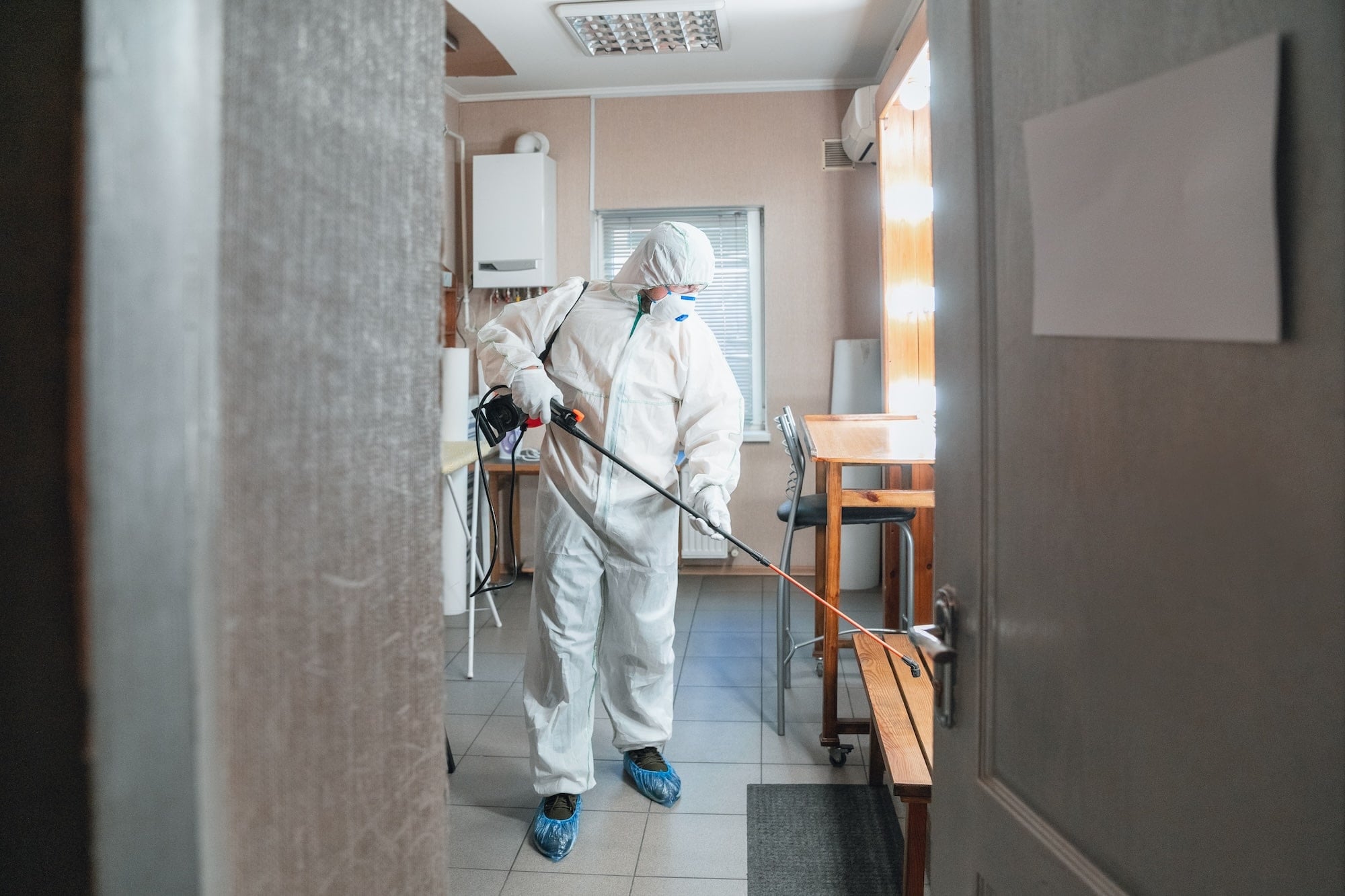
There is also the belief that mold testing should happen before anything else. Florida health guidance does not recommend mold testing or sampling as the first step. The priority is to identify and correct the moisture problem and address the damage. For property managers, this is useful because it supports a common-sense sequence. Stop the intrusion, dry the structure, remove damaged materials as needed, then evaluate what remains.
That approach helps with indoor air quality Florida concerns too. Occupants often use that phrase broadly to describe odors, dampness, dust, throat irritation, or simple anxiety about the space. The answer is not always testing. Sometimes the right fix is better drying, better containment during removal, or a clearer explanation of what the contractor is doing and why.
Older buildings need extra caution before demolition starts
Groveland and the broader Lake County area include commercial buildings of different ages, and older properties bring added complexity. If renovation or demolition is part of the repair scope, asbestos cannot be treated casually. In Florida, asbestos work is regulated through licensure and abatement rules, and licensed asbestos businesses must be qualified by licensed professionals who follow applicable work practices and notification rules.
That matters when a water loss turns into a renovation project. Removing old flooring, wallboard systems, pipe insulation, or ceiling materials without the proper review can create a much bigger problem than the leak itself. In practical terms, that means an asbestos survey before renovation may be necessary before invasive work begins, especially in older commercial structures.
Property managers sometimes run into this after a seemingly straightforward event. A ceiling leak damages wall finishes, a contractor opens a wall to speed repairs, and suddenly the scope expands because the building materials require a more controlled process. The delay frustrates everyone, but skipping the step would be worse.
This is a useful place to separate commercial decision-making from the habits people pick up in residential ownership. Search traffic around home inspection older homes Florida often gives owners a rough sense that older materials deserve caution, but commercial projects are governed by their own rules and work practices. The right move is to let licensed professionals evaluate the scope before demolition gets ahead of compliance.
Hurricane season changes the way you plan, not just the way you react
Florida’s official hurricane season runs from June 1 through November 30, and preparation should begin before the season starts. For commercial property managers, hurricane season preparation Florida is not just about plywood and sandbags. It is about reducing the number of preventable water intrusions that become expensive claims and tenant disruptions.
That planning usually starts with the boring stuff, because the boring stuff works. Roof observations, drainage checks, sealant review around penetrations, and an honest look at any area that leaked last year are worth more than a frantic scramble the day before a storm. Summer AC strain matters too. In Central Florida, heavy cooling loads and humidity can expose weak spots in drain lines, insulation, and maintenance routines.
The buildings that handle storms best are not always the newest. They are often the ones with disciplined maintenance and clear emergency roles. Who has after-hours access? Who can authorize emergency mitigation? Which tenants require special notice because of inventory, records, or sensitive equipment? Where are the vulnerable points in each building? Those are property management questions as much as maintenance questions.
If your response network includes local vendors that offer 24/7 emergency cleanup Lake County, get those relationships organized before the season. Store contact information where it can be reached from a phone, not just a desktop at the office. Confirm who can reach the roof, who can extract water after hours, and who can secure openings if wind-driven rain breaches the envelope. Emergency response gets more expensive when every call is made for the first time during a storm watch.

Repairs often uncover more than water damage
A commercial water loss can reveal unrelated issues that still affect the recovery plan. Odors are a good example. Occupants may report a smoke-like smell after equipment runs, or a musty odor once materials are opened. Sometimes that odor is tied to wet building materials. Sometimes it is connected to older residue or HVAC circulation patterns that only become noticeable during disruption.
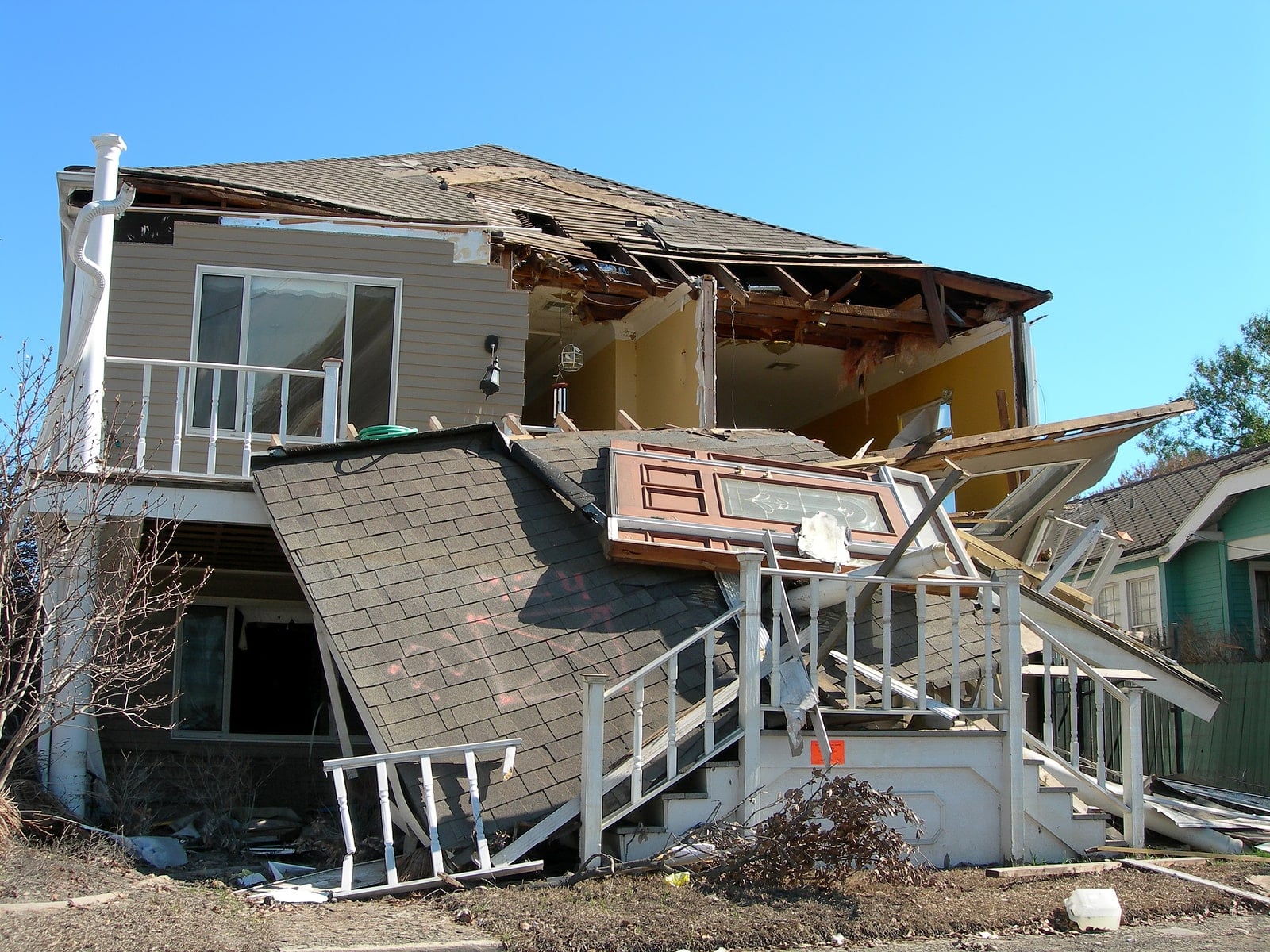
Smoke odor removal can become part of the conversation even if the original loss was water-related, but it should be treated as its own issue, not guessed at. The same is true for complaints about stuffiness or dust. Water restoration, demolition, odor, and air quality concerns can overlap, but each needs its own explanation so occupants understand what is actually being addressed.
This is one reason rushed communication backfires. When people see one kind of work and assume it solves every problem in the building, trust drops fast. A better approach is to explain the scope plainly. The current work is for drying and removal of water-damaged materials. A separate review may be needed if lingering odor or other concerns remain after the affected area is stabilized.
The real balancing act is speed versus disruption
Property managers live in the middle of competing pressures. Owners want cost control. Occupants want immediate answers and minimal interruption. Vendors want access and quick approvals. Restoration teams want enough time and containment to do the work correctly. There is no script that removes those tensions.
What helps is making decisions in the right order.
Stabilize the loss first. Then define the affected area. Then communicate what is known, what is not yet known, and when the next update will come. If invasive repair is likely in an older building, pause long enough to address any asbestos survey before renovation concerns through properly licensed professionals. If moisture lingered long enough to create microbial growth, shift the conversation from simple drying to commercial mold remediation without pretending it is the same phase of work.
That sequence feels slower for about half a day. After that, it usually becomes faster because fewer surprises are left waiting in the walls.
What good handling looks like from the occupant side
When tenants later describe a water incident that was handled well, they almost never praise the extraction equipment. They talk about feeling informed. They mention that somebody answered the phone, sent updates, and gave realistic timelines. They remember whether access was managed cleanly and whether the building team seemed organized.
That matters because occupancy confidence is part of the recovery. A soaked suite can be rebuilt. A tenant who feels ignored may start looking at renewal options differently.
In Groveland and nearby communities such as Clermont, Minneola, Mascotte, Howey-in-the-Hills, Mount Dora, and Leesburg, building relationships still count. Local reputation is shaped by these moments. A property team that handles water damage with steady communication, practical judgment, and respect for compliance issues stands out for the right reasons.
Water losses are never convenient, but they are manageable when you treat them as both a building problem and a people problem. Drying, containment, scheduling, documentation, and repair planning all matter. So does the email that goes out before rumors start. So does the decision to slow down for compliance in an older building. So does preparing before June instead of after the first named storm.
For property managers, that is the job at its best. Not just getting the space dry, but guiding the building through disruption with enough clarity that owners and occupants can keep moving.